

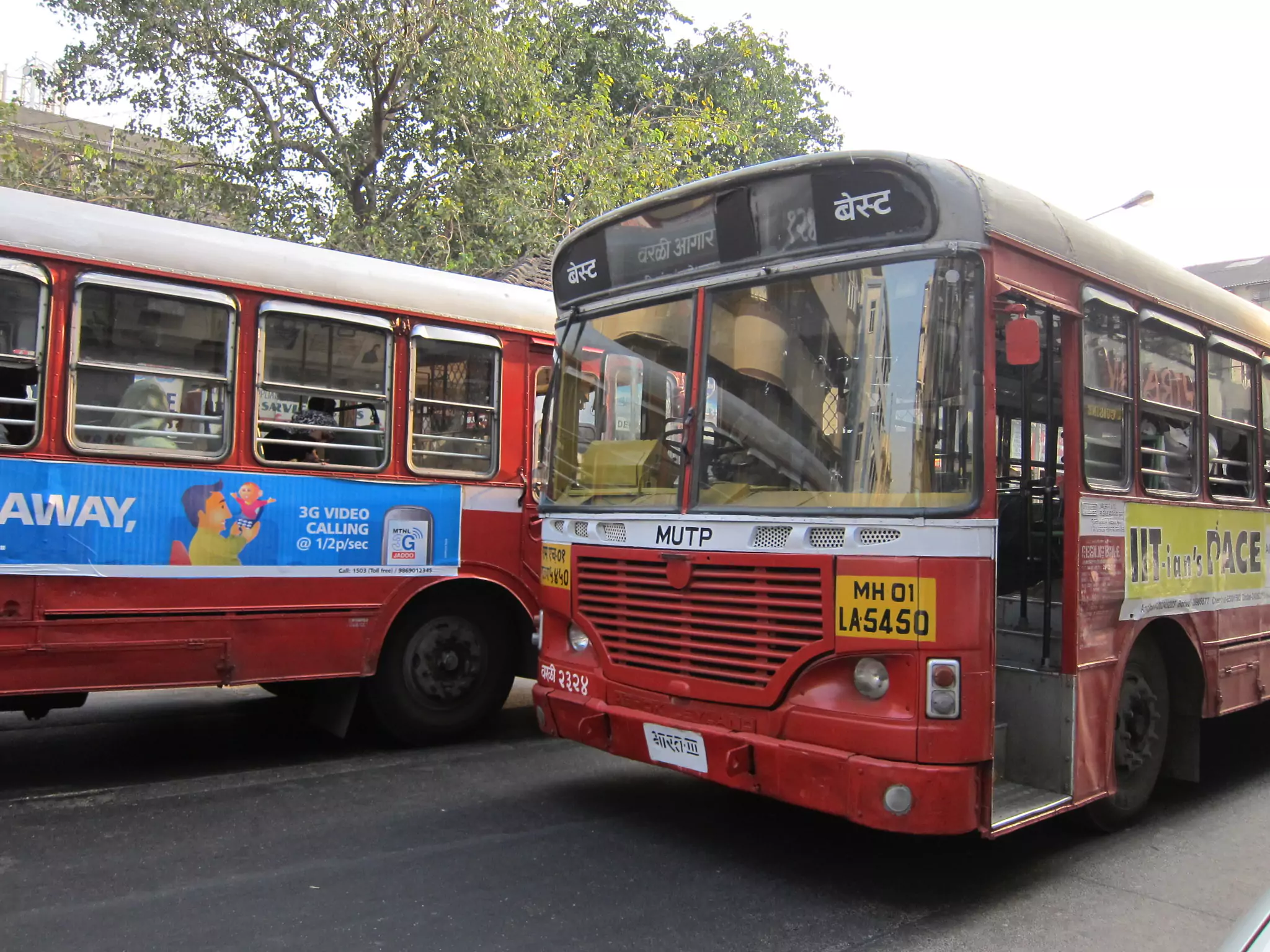
The city of Mumbai witnessed escalating chaos on Friday as the ongoing strike by the Brihanmumbai Electric Supply and Transport (BEST) employees entered its third day. Contractual drivers from six additional depots joined the protest, leading to a total of 1, 375 buses being taken off the roads across 18 depots. This move severely inconvenienced nearly 14 lakh (1. 4 million) daily commuters who rely on BEST buses for their transportation needs. The situation has escalated to the point where the Maharashtra Essential Services Maintenance Act (Mesma) might be invoked if the strike prolongs, indicating the gravity of the situation.
A Severe Shortage of Buses
As the strike gained momentum, the already limited availability of buses plummeted further. To alleviate the situation, BEST attempted to fill the gap by employing its own full-time drivers to operate 360 contractual buses, primarily on the busy feeder routes. Additionally, assistance was sought from the Maharashtra State Road Transport Corporation (MSRTC), which provided 150 buses across six depots. However, the shortage persisted, leading to immense hardships for the commuters, causing overcrowding and long queues at bus stops.
80% BEST Wet Lease Buses Inactive:
The strike had a widespread impact, with nearly 1,400 buses, including the newly introduced AC electric double-deckers in south Mumbai, remaining off the roads. These AC electric buses are particularly favored by office-goers traveling to destinations like Nariman Point and Cuffe Parade.
BEST’s Stance and Commuters’ Plight
In response to the strike, BEST issued a statement placing the responsibility on private contractors who hired the striking drivers. This stance was met with criticism from experts and commuters alike, who argued that it is ultimately the BEST commuters who bear the brunt of the disruption. A significant portion of the bus fleet was rendered inactive, leaving countless passengers stranded at bus stops. Reports of fare refusals and overcharging by alternative modes of transport like autos and taxis have further compounded the situation.
Drivers’ Demands and Future Implications:
The protesting drivers, who staged demonstrations outside depot gates and even at Azad Maidan, have stated that they will not withdraw their agitation until their salaries are brought in line with those of full-time BEST drivers. Presently earning Rs 15, 000, they demand parity with the approximately Rs 28,000 that their full-time counterparts earn. The Sangharsh Kamgar Karmachari Union has echoed this sentiment and indicated that the strike might continue into the coming days.
Political Intervention and Possible Solutions
A delegation from Rashtriya Karmachari Sena, a workers’ union affiliated with the Shiv Sena party, met the protesting drivers at Azad Maidan. They collected information about the drivers’ workplace issues and promised to forward their grievances to Chief Minister Eknath Shinde, who also oversees the transport ministry. Meanwhile, BEST warned six contractors to resolve the dispute and imposed substantial penalties amounting to over Rs 1 crore.
Potential Alternatives and Future Course
To mitigate the impact of the strike, MSRTC buses have been deployed at six depots. It is anticipated that these rides will be charged at the prevailing contractual rates. Furthermore, sources have indicated that the BEST administration might consider hiring private buses to serve the commuters should the strike persist.
Uncertain Tomorrow
Union leaders have hinted that the strike might well extend into the upcoming Saturday, further prolonging the inconvenience faced by Mumbai’s commuters. The future course of events hinges on negotiations and resolutions between the protesting drivers, BEST administration, and concerned authorities. Until then, the city remains entangled in a transportation crisis that has brought daily life to a grinding halt.
