

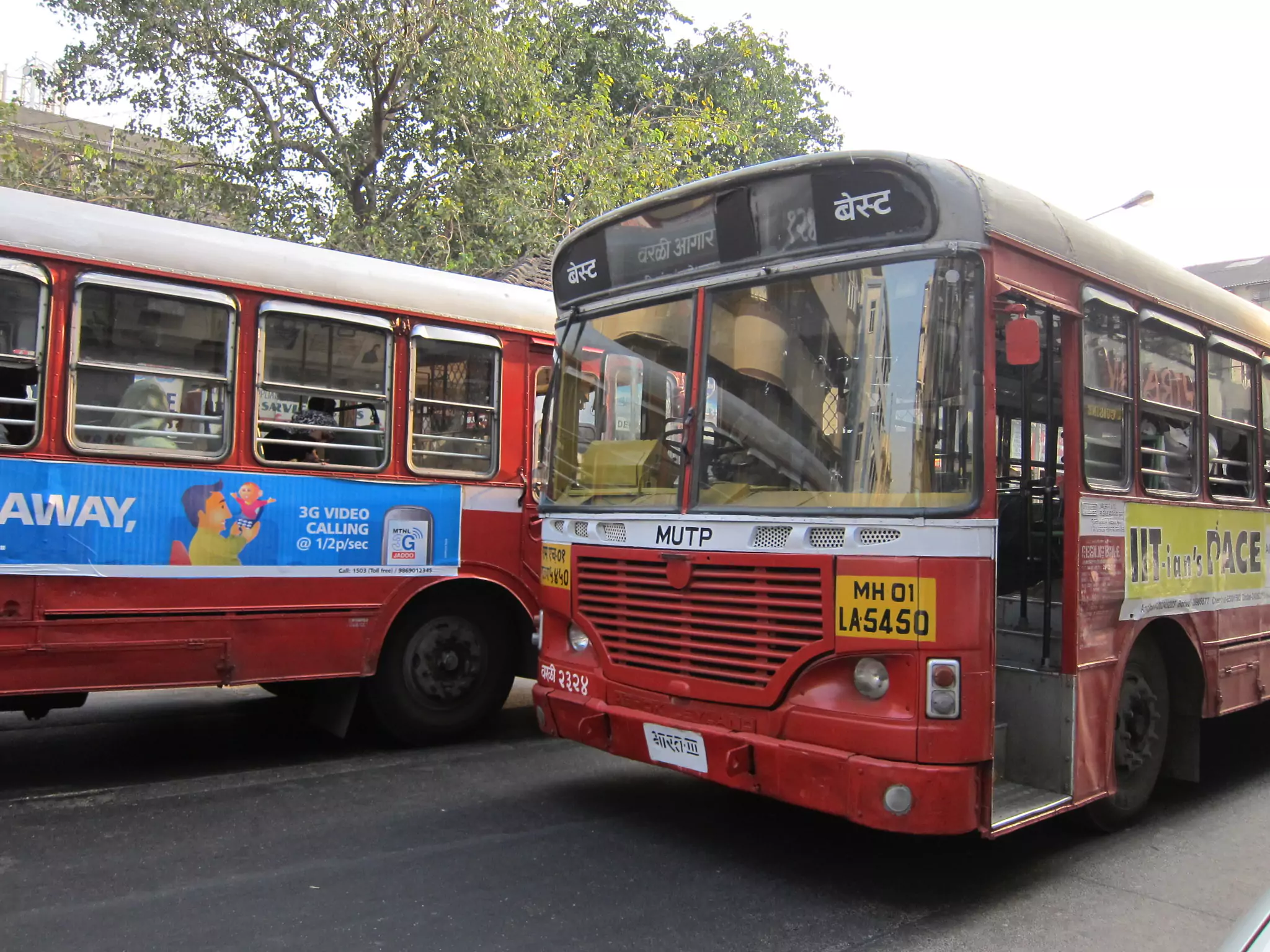
In a positive turn of events for Mumbai’s commuters, the public transportation system operated by the Brihanmumbai Electric Supply and Transport (BEST) witnessed a significant improvement as most employees of the private bus operators, who had been on strike since August 2, rejoined their duties. This move comes after a series of negotiations and discussions aimed at resolving the issues raised by the striking employees.
Operations Resume with Near-Normal Fleet Strength
At the start of the day, at 10 am, the public transporter managed to operate 97. 5 percent of its massive fleet, comprising 3, 040 buses, including both the wet-leased buses and those owned by BEST. According to BEST officials, there was a remarkable development as all 100 percent of the wet-leased buses, which had been running with a diminished staff due to the strike, were operational once again, thanks to the participation of private bus operators’ drivers.
The strike, driven by the demands for salary hikes and equitable pay in comparison to their counterparts within BEST, had led to disruptions in the otherwise bustling transportation network. This marked the first time since August 2 that the turnout of wet-leased buses reached full capacity as a direct result of the resolution between the agitating employees and the authorities.
While the morning session saw some hesitance from a section of employees due to uncertainties regarding the fulfillment of their demands, the evening session painted a more positive picture. A majority of the private bus operators’ employees made their way back to their positions, ensuring that the bus services could largely regain their momentum.
Key Role of Wet-Leased Buses in Mumbai’s Transportation
The BEST undertaking, responsible for offering vital public bus services in Mumbai and its neighboring regions, had strategically adopted a wet lease model. This model involved leasing more than 1,600 buses from private contractors, where the onus of vehicle ownership, maintenance, fuel, and driver expenses lay with the private operators.
After several days of negotiations and discussions, representatives of the striking employees announced a breakthrough. The strike was officially called off following a meeting with Maharashtra Chief Minister Eknath Shinde. The representatives stated that their demands, including salary hikes, had been acknowledged and would be addressed, instilling a renewed sense of confidence among the private bus operators’ workforce.
Despite the positive developments, some employees expressed lingering concerns. The absence of a written assurance from the government left a section of staffers hesitant to resume their duties, underscoring the importance of effective communication and transparent agreements.
Collaborative Efforts to Mitigate Impact
In a bid to alleviate the impact of the strike on commuters, the Maharashtra State Road Transport Corporation (MSRTC) stepped in. It operated 212 buses on various routes in collaboration with BEST, ensuring that essential transportation services continued to function, even in the face of the strike.
The strike’s repercussions led to unique measures being taken. The state government temporarily expanded the operational capacities of public service vehicles, such as taxis, rickshaws, and school buses, allowing them to undertake stage carriage operations. This move aimed to provide alternative options for stranded commuters.
Challenging Time for Mumbai’s Bus Users
Throughout the strike period, lakhs of bus users encountered challenges and disruptions in their daily routines. Long queues at depots and bus stops, along with overcrowded buses, characterized the struggles faced by Mumbai’s commuters during this period.